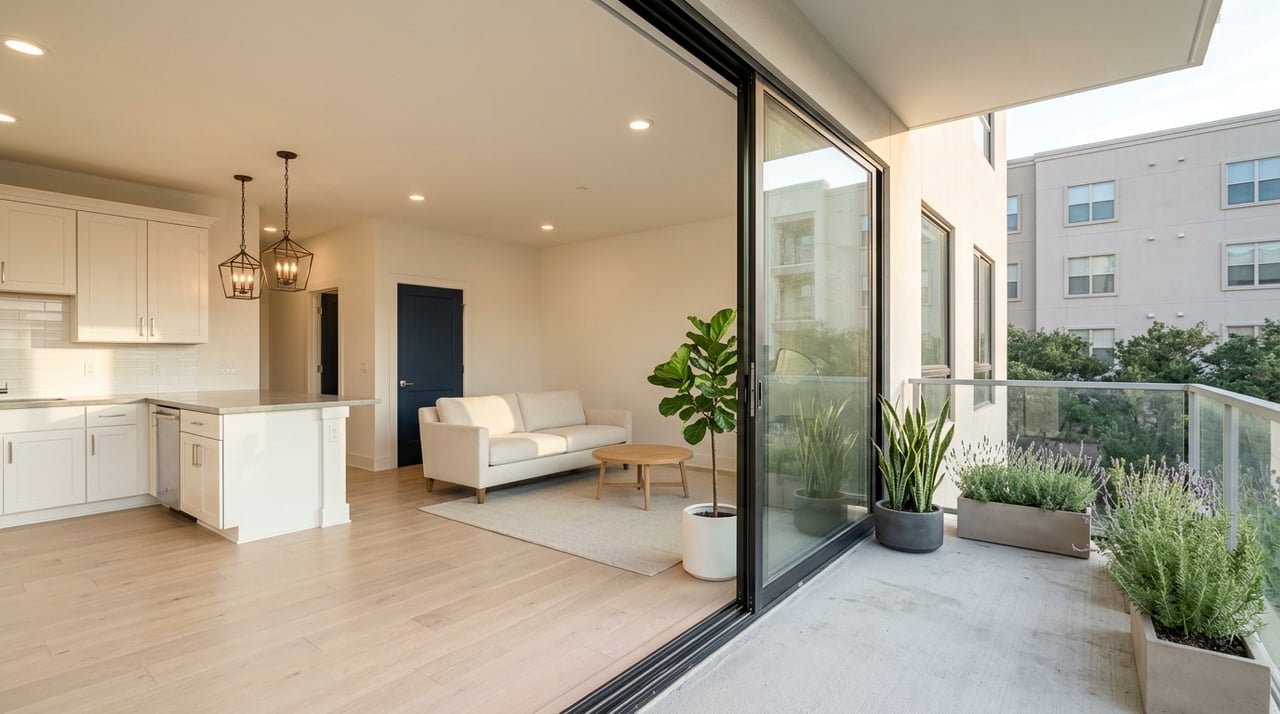
A Closer Look at Uptown Dallas High-Rise Living
June 4, 2026
June 4, 2026
If you want a home that puts Dallas energy right outside your door, boutique high-rise living in Uptown is worth a close look. For many buyers, the appeal is simple: less time spent on exterior upkeep and more time enjoying walkable streets, dining, parks, and skyline views. The key is knowing what daily life really feels like, and what ownership asks of you in return. Let’s take a closer look.
In Uptown, high-rise living is part of a larger urban mix that includes condos, townhomes, historic buildings, and newer residential options. Uptown Dallas Inc. describes the district as walkable, tree-lined, and skyline-focused, with a strong connection to the city core.
When buyers talk about a boutique high-rise, they are usually thinking about a more intimate condo building experience than a large-scale tower. In practical terms, Uptown tends to function like an urban condo district: compact, active, and easy to navigate, with a lifestyle built around nearby services, dining, and transit access.
Uptown sits just north of downtown, which gives you close access to the city center without feeling fully separated from neighborhood life. The area connects to downtown through Klyde Warren Park, the McKinney Avenue trolley, and DART service at Cityplace/Uptown Station.
That connectivity shapes how you move through your day. If you value being able to step out for coffee, groceries, dinner, or a walk without planning every trip around your car, Uptown offers a setup that supports that routine.
One of the strongest draws of Uptown is how many everyday needs are close at hand. Uptown Dallas Inc. lists grocery options like Whole Foods and Trader Joe’s, along with pharmacies, banks, gyms, salons, pet care, and boutique retail.
That means errands can feel less like a chore and more like part of the rhythm of the neighborhood. For buyers relocating from more car-dependent areas, this is often one of the biggest lifestyle shifts, and one of the biggest benefits.
Visit Dallas highlights Uptown as a destination for shopping, restaurants, and nightlife that attract both residents and visitors. Dining options range across cuisines, and many restaurants and bars cluster along McKinney Avenue.
This matters because in Uptown, going out does not have to feel like a big production. A quick dinner, drinks with friends, or a spontaneous night out can be part of a normal week, especially with the trolley helping connect popular spots.
City living works best when it includes room to breathe, and Uptown has that built in. Dallas County says the Katy Trail runs 3.5 miles through dense neighborhoods and restaurant and entertainment areas, with rest areas, separate jogging paths, and skyline views from overpasses.
Uptown Dallas Inc. also describes Griggs Park as an 8-acre historic park with playgrounds, pet areas, and scenic views. If you want an urban home without giving up outdoor time, these spaces help make that possible.
For many buyers, boutique high-rise living is not only about the building. It is about what your home frees you up to do. Uptown Dallas Inc. specifically highlights luxury apartments and condos with skyline views, which makes visual connection to the city part of the neighborhood’s appeal.
Of course, views depend on a building’s location, your unit’s height, and its orientation. Still, the idea of coming home to a more elevated perspective, both literally and figuratively, is a big reason buyers explore condo living in Uptown.
A condo lifestyle often appeals to buyers who want fewer exterior responsibilities than a detached home typically brings. Fannie Mae notes that condo owners usually own their unit while sharing ownership of the exterior and common areas.
That shared structure can support a more low-maintenance, lock-and-leave way of living. If you travel often, keep a busy work schedule, or simply do not want to manage a yard and exterior upkeep, that tradeoff may feel worthwhile.
Monthly condo fees commonly help cover exterior and common-area maintenance. Fannie Mae also notes that they may include items such as water, sewer, trash, recreational amenities, insurance, or reserve funds.
What is included will vary by building, so this is one of the most important areas to review before you buy. The convenience can be valuable, but you want to understand exactly what you are paying for.
The lifestyle can be appealing, but condo ownership comes with its own set of rules and costs. Going in with clear expectations is one of the best ways to make a confident decision.
The CFPB notes that HOA or condo dues are usually paid separately from your mortgage. It also says those dues can range from a few hundred dollars a month to more than $1,000 a month.
That does not mean a condo is the wrong fit. It simply means your true monthly cost needs to include more than principal, interest, taxes, and insurance. Buyers should think about dues as part of the long-term budget, not as an afterthought.
Fannie Mae notes that HOAs often set aesthetic guidelines and rules about what owners can and cannot do to the property. In a high-rise, those rules may shape everything from renovation approvals to use of shared spaces.
For some buyers, that structure feels helpful and predictable. For others, it may feel limiting. The best fit depends on how much flexibility you want in your homeownership experience.
Fannie Mae advises buyers to ask about reserve funds, special assessments, parking, insurance coverage, renter policies, and the remaining useful life of major building components. These details can affect both your monthly budget and your future risk.
This is where patient, detailed review matters. A beautiful unit and great view are only part of the picture. You also want confidence in how the building is managed over time.
This type of home tends to work best for buyers who value convenience, access, and lower exterior maintenance more than a yard or maximum privacy. If you like the idea of being close to transit, restaurants, parks, and daily services, Uptown can check a lot of boxes.
It can also be a practical fit for commuters and frequent travelers. Uptown Dallas Inc. notes that Cityplace/Uptown Station offers connections to downtown, airports, and regional destinations, which adds flexibility if your routine extends beyond the neighborhood.
If you are moving to Dallas and want a neighborhood that helps you get oriented quickly, Uptown often feels accessible from day one. The district combines residential living with shopping, dining, public art, events, and transit in a way that makes it easier to settle into city life.
For many relocating buyers, that ease matters just as much as the home itself. You are not only choosing square footage or finishes. You are choosing how your week will feel.
Visit Dallas and Uptown Dallas Inc. both point to the area’s active character, from nightlife and dining to community events and public art. If you want a quiet, purely residential environment, this may not be your ideal match.
But if you want a neighborhood that feels engaged, social, and consistently in motion, Uptown offers that experience in a very recognizable Dallas setting.
Before you move forward on a boutique high-rise condo in Uptown, it helps to slow down and ask practical questions. A smart purchase is about fit, not just first impressions.
Consider asking:
That last question is especially important. The real decision is not just whether Uptown feels exciting today. It is whether the costs, rules, and lifestyle still align with how you want to live over time.
In a neighborhood like Uptown, small differences can change the ownership experience in a big way. Two buildings may both offer a high-rise lifestyle, but their fee structures, rules, management approach, parking setup, and access to nearby amenities can feel very different.
That is why local, education-focused guidance matters. When you understand not only the unit, but also the building and the block around it, you are in a much stronger position to choose well.
If you are thinking about buying in Uptown, working with someone who understands the neighborhood can help you compare options with more clarity and less stress. For personalized guidance on Uptown condos and boutique high-rise living, connect with Diane Bearden.
Stay up to date on the latest real estate trends.
September 17, 2026
September 10, 2026
September 3, 2026
August 27, 2026
August 20, 2026
August 13, 2026
August 6, 2026
August 6, 2026
July 23, 2026
Diane loves sharing her knowledge with her first-time home buyers and making their purchase a memorable event. She can advise you and create a portfolio that can give you that added edge to be successful in your real estate transaction.
Diane Bearden Barrett
6318 GASTON AVE DALLAS TX 75214