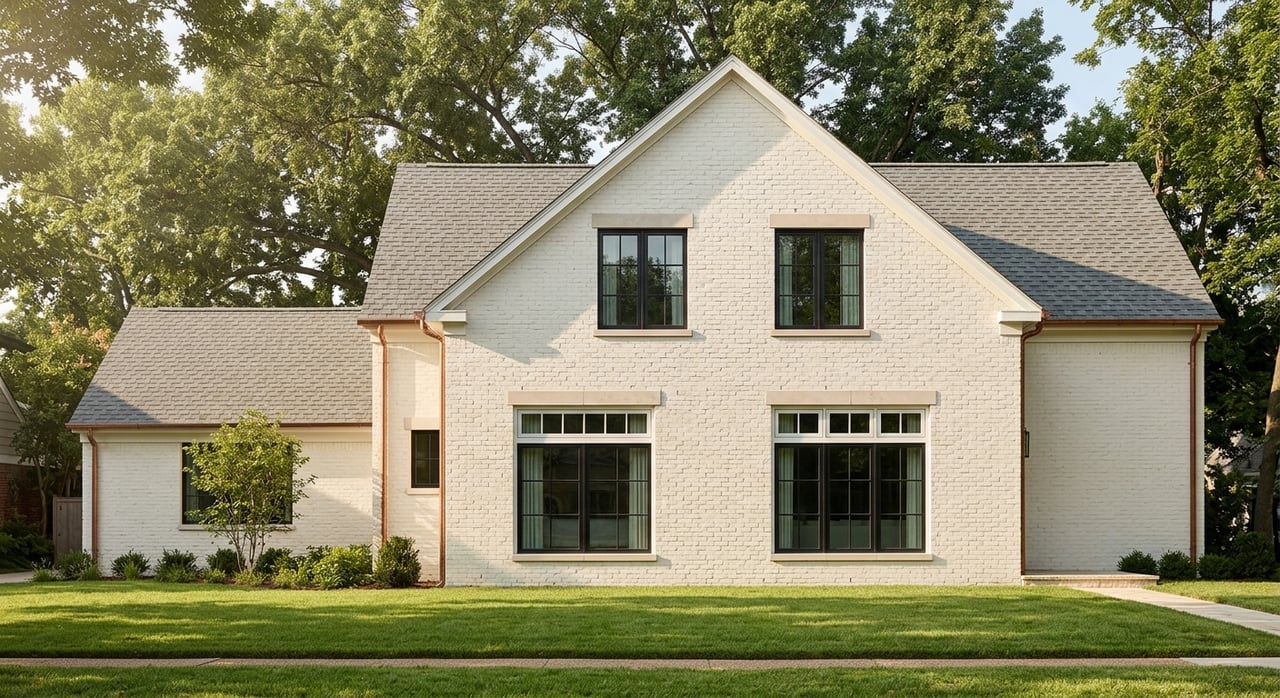
A Guide to Preston Hollow Architectural Styles
May 28, 2026
May 28, 2026
What makes Preston Hollow feel so distinctive? It is not one signature home style or one era of development. Instead, Preston Hollow is a layered North Dallas neighborhood where ranch homes, mid-century design, traditional revival estates, and newer custom builds often exist side by side. If you are buying, selling, or simply trying to understand the area better, knowing how these styles show up can help you read both the home and the lot with more confidence. Let’s dive in.
One of the most important things to know about Preston Hollow is that it did not develop all at once. Dallas Municipal Archives records show that the Town of Preston Hollow was incorporated in 1939 around Preston Road and Northwest Highway, then joined Dallas in 1945.
That history matters because it helps explain the neighborhood’s variety. In Preston Hollow, you may find an older ranch on one block, an architect-designed mid-century home nearby, and a newer estate home just a few streets away. When you think about Preston Hollow architecture, it is more accurate to think in layers than in one uniform style.
For buyers, that means every property deserves a closer look. For sellers, it means your home’s value story may come from a mix of architectural character, lot size, tree canopy, and renovation quality rather than style label alone.
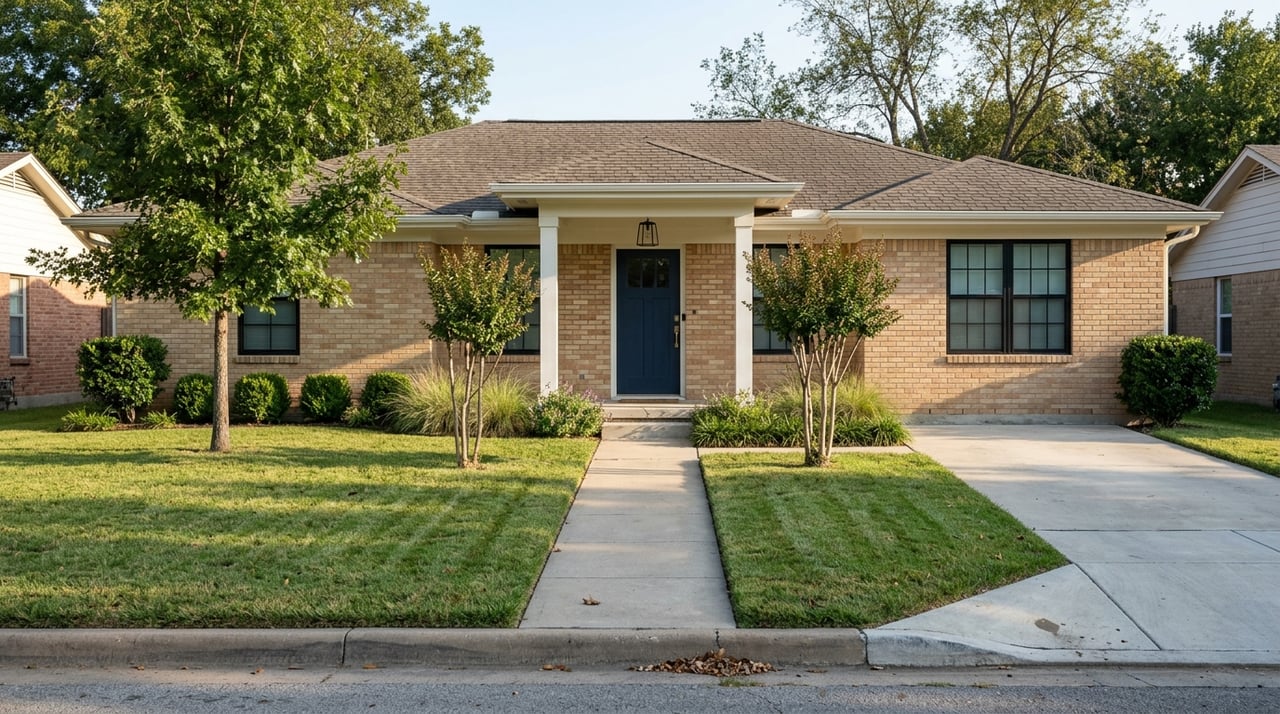
The ranch home is one of the most recognizable architectural types in Preston Hollow. Many of the neighborhood’s older homes date to the 1950s, and Dallas preservation staff notes that Charles Dilbeck’s Texas Ranch Style was built in significant numbers here.
These homes are typically low-slung and wide, with a strong horizontal feel. You will often see broad eaves, low-sloped roofs, large windows, lean-to porches, and substantial fireplaces. Materials may include brick, stone, and other natural finishes that help the home sit comfortably on a large lot.
Texas Ranch homes in Preston Hollow tend to balance simplicity with warmth. Their layouts are often practical and easy to live in, while the exterior design feels connected to the landscape.
Common details include:
These homes also adapt well to renovation. Local coverage has shown many Preston Hollow ranch homes updated with brighter interiors, taller ceilings, larger windows, and expanded outdoor living areas like decks and pools.
Ranch homes often attract buyers who want architectural character without excessive formality. They can feel approachable, grounded, and flexible for modern living.
In Preston Hollow, they also tell part of the neighborhood’s original story. Even when heavily renovated, the best examples still keep that easy horizontal profile and strong relationship to the lot.
Preston Hollow also has an important mid-century modern presence. This is where architecture becomes especially site-sensitive, with homes designed around trees, water, terraces, and natural light.
Preservation Dallas describes the 1951 Vaughn House in Preston Hollow as having post-and-beam construction, an open floor plan, exterior walls of glass, and terrazzo floors. Dallas coverage of another 1950s home in the area also emphasized how the design responded to the lot, gardens, and mature trees.
In Preston Hollow, mid-century modern homes are often less about flashy decoration and more about structure, openness, and flow. The architecture tends to emphasize how you move through the home and how the home connects to the outdoors.
Look for features like:
Mid-century modern homes often feel especially current because they were built around ideas that still resonate today. Open layouts, natural light, and indoor-outdoor living remain high on many buyers’ wish lists.
In Preston Hollow, these homes also reflect a more architect-driven side of the neighborhood. They are often appreciated for both design integrity and the way they use the lot as part of the overall living experience.
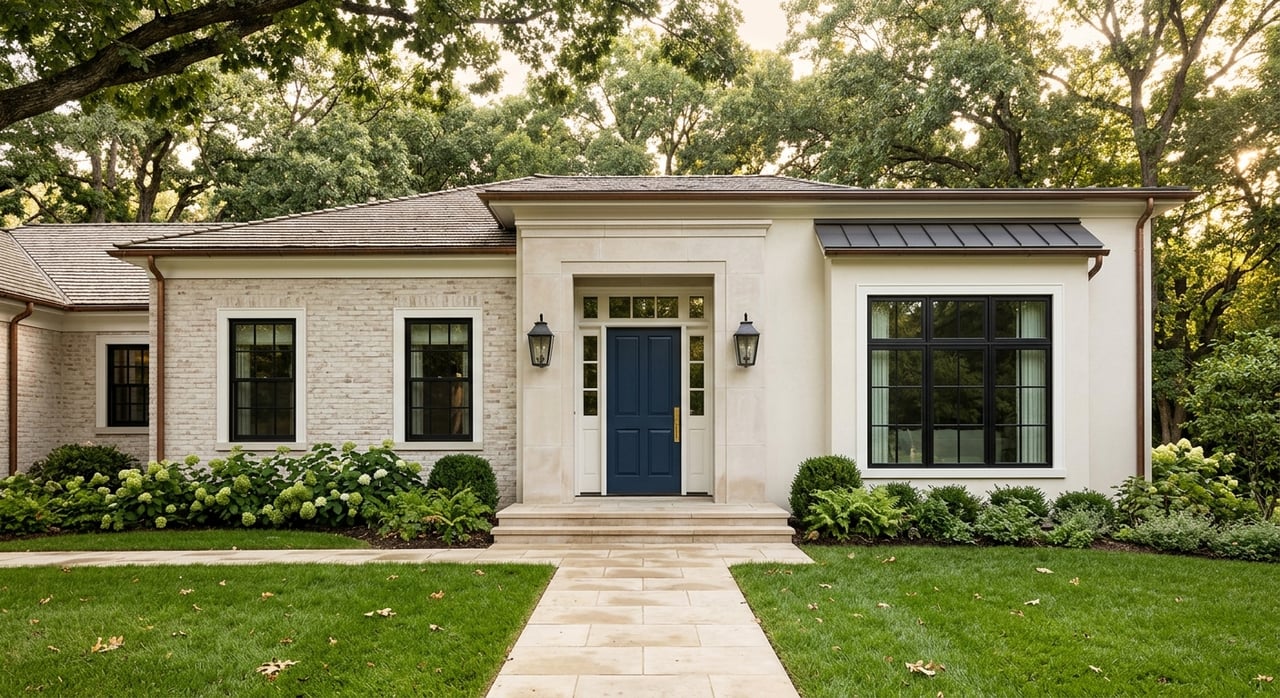
Not every Preston Hollow home leans casual or modern. The neighborhood also includes a broad range of traditional revival styles, especially in estate settings.
Dallas-area coverage has highlighted Colonial Revival, Georgian, English manor, French chateau, Mediterranean, and Tudor-inspired homes in Preston Hollow and Old Preston Hollow. These homes vary in detail, but they often share a more formal arrival sequence and a stronger sense of symmetry or classic proportion.
You may see several traditional design families across the area:
These homes often appeal to buyers who want a more classic exterior expression. They can feel timeless, polished, and well-suited to larger lots and long setbacks.
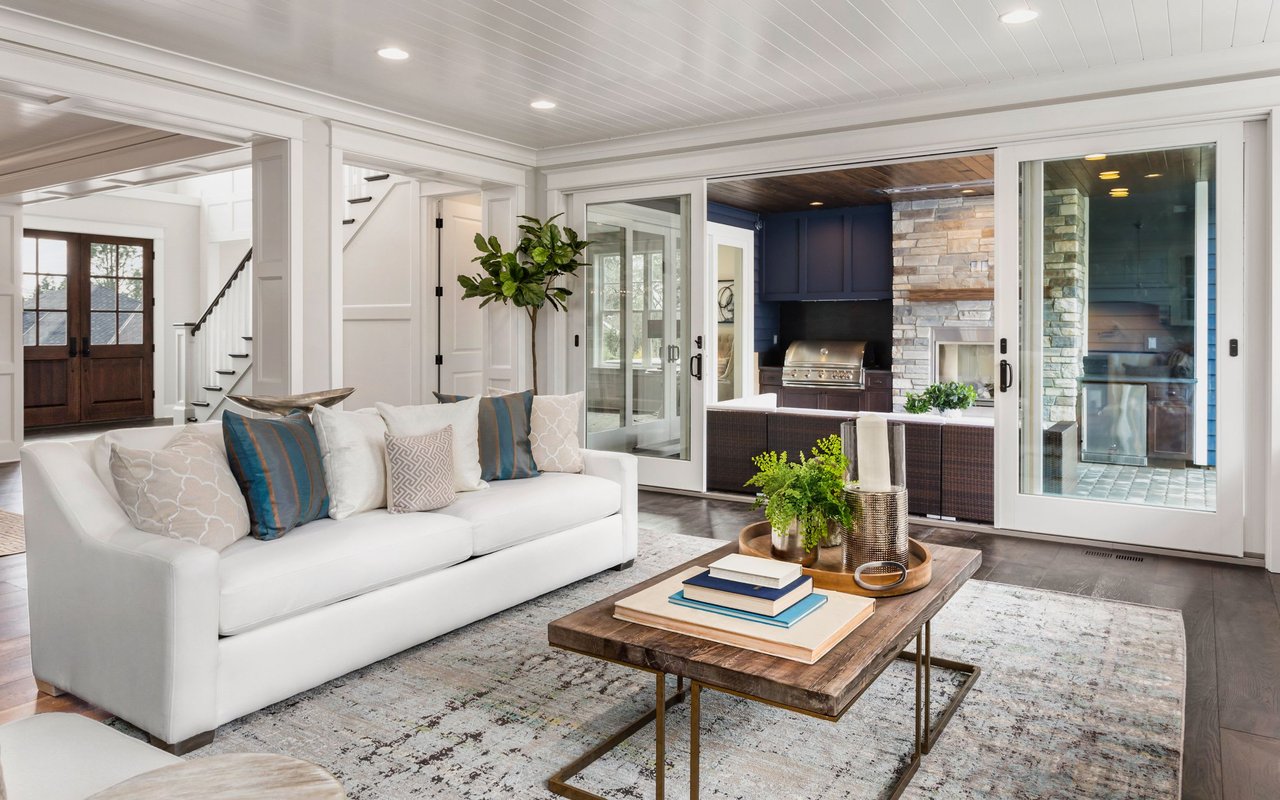
In Preston Hollow, it is common for a home’s exterior architecture and interior design style to tell different stories. A traditional exterior may open into a light, transitional interior with updated finishes and a more open floor plan.
That distinction matters when you are evaluating a property. The architectural shell gives you one part of the value story, but the interior experience may reflect a major remodel or a newer lifestyle-focused redesign.
Newer construction in Preston Hollow often falls into contemporary or transitional categories. These homes may borrow from traditional forms, but they are generally built for today’s expectations around entertaining, privacy, and flexible living.
Recent Dallas coverage has shown custom Preston Hollow homes with large entertaining spaces, mixed materials, expansive window walls, and luxury amenities such as guest quarters, outdoor kitchens, wellness rooms, theaters, and sport courts. These homes reflect the neighborhood’s current high-end building pattern.
Transitional homes usually blend classic structure with cleaner, more updated finishes. Instead of feeling strictly historic or sharply modern, they sit somewhere in between.
Typical features include:
Redevelopment is part of the Preston Hollow story. A Dallas code diagnostic report notes that many properties in North Dallas estate-lot districts, including Preston Hollow, are below current minimum lot-size standards, which helps explain why both renovation and replacement are common.
That means you are often seeing a neighborhood in motion. Some buyers are drawn to preserving and updating an older home, while others are looking for a newer custom build that maximizes the site and supports a more modern layout.
In Preston Hollow, architecture is never just about the front elevation. Lot size, setbacks, and mature tree canopy have a major influence on how homes look and live.
This is one reason indoor-outdoor living appears so often across styles. A ranch home might open onto a broad backyard deck and pool. A mid-century home might wrap around trees or a water feature. A larger estate home may include a courtyard, guest quarters, or an outdoor kitchen.
When you tour homes in Preston Hollow, it helps to evaluate more than the style name. Ask how the house sits on the lot and whether the design makes the most of the site.
Important questions include:
In many cases, the lot is just as important as the architecture itself.
If you are shopping in Preston Hollow, style can help narrow your preferences, but it should not be your only filter. The same architectural label can cover homes with very different levels of renovation, preservation, and layout quality.
Start by separating three things: the original architecture, the current condition, and the site. A ranch that has been thoughtfully updated may live very differently from one that is mostly original. A traditional exterior may hide a fully reworked transitional interior. A striking home on paper may not feel as compelling if the lot layout is awkward.
When comparing homes, pay attention to:
The goal is not to find a perfect label. It is to find the home that best fits your priorities and uses the property well.
If you are selling a home in Preston Hollow, your architecture can be a powerful part of the marketing story. Buyers in this area often respond to design character, but they also want clarity about updates, layout, and lifestyle features.
For example, a ranch listing may need to highlight original lines, large windows, and modern outdoor improvements. A traditional estate may benefit from emphasizing symmetry, formal entry sequence, and updated interiors. A newer custom home may stand out through entertaining spaces, materials, and site planning.
Strong presentation starts with knowing what category your home fits into, but it also means explaining how it lives today. In a layered neighborhood like Preston Hollow, the most effective marketing connects architecture, lot, and lifestyle in a way that feels clear and credible.
If you are trying to understand how your home fits into today’s Preston Hollow market, local context matters. Working with an agent who understands both the neighborhood’s architectural history and current buyer expectations can help you position the property more effectively.
If you are considering a move in Preston Hollow, Diane Bearden can help you evaluate architectural character, lot potential, and current market positioning with a calm, neighborhood-focused approach.
Stay up to date on the latest real estate trends.
July 16, 2026
July 9, 2026
July 2, 2026
June 25, 2026
June 18, 2026
June 11, 2026
June 4, 2026
May 28, 2026
May 21, 2026
Diane loves sharing her knowledge with her first-time home buyers and making their purchase a memorable event. She can advise you and create a portfolio that can give you that added edge to be successful in your real estate transaction.
Diane Bearden Barrett
6318 GASTON AVE DALLAS TX 75214