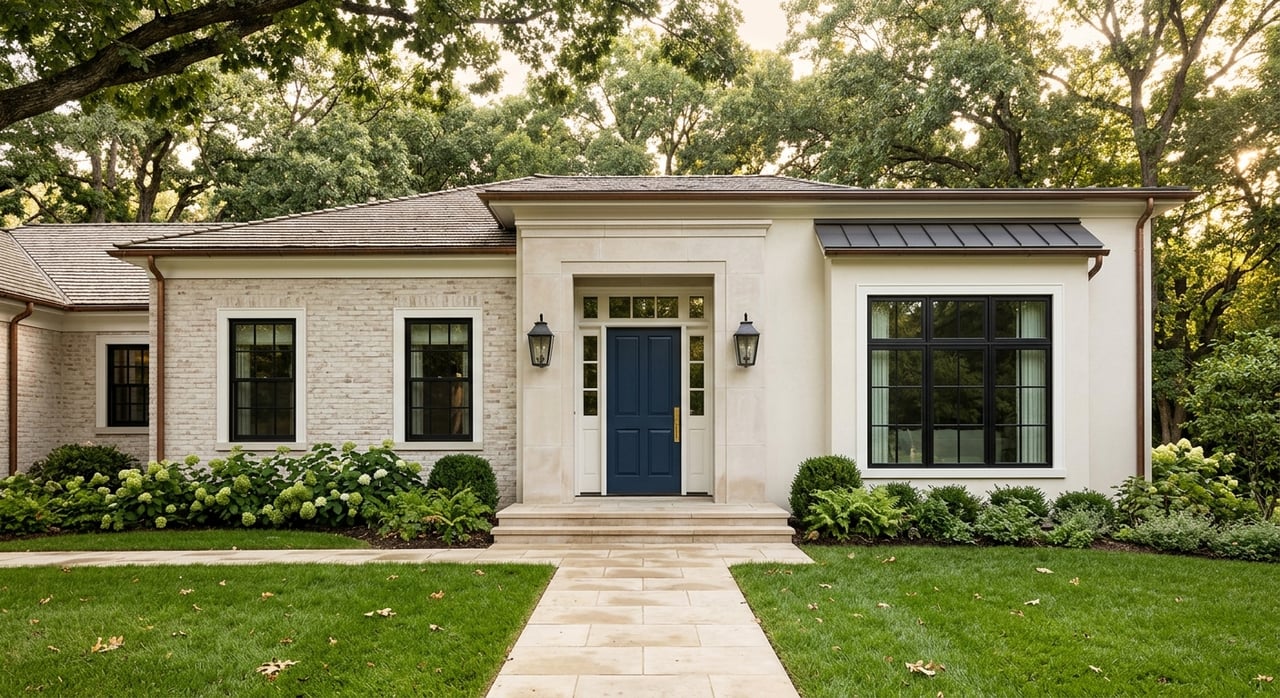
Buy or Remodel in Preston Hollow? What to Consider
May 21, 2026
May 21, 2026
If you are weighing a move-in-ready home against a remodel opportunity in Preston Hollow, you are not alone. In this part of Dallas, the decision often comes down to more than finishes and floor plans. You are balancing location, lot potential, timing, budget, and city rules that can shape what is actually possible. This guide will help you think through the tradeoffs so you can make a more confident choice. Let’s dive in.
Preston Hollow is one of Dallas’s best-known luxury neighborhoods, and the name is often used broadly for much of North Dallas south of LBJ Freeway. D Magazine describes the traditional boundaries as Midway Road, Northwest Highway, Hillcrest Avenue, and Royal Lane. It also notes that many of the most expensive homes within Dallas city limits are located here.
That matters because buyers in Preston Hollow are often choosing between two kinds of value. One is paying a premium for a finished home that is ready now. The other is buying a property for its lot, location, and long-term potential, then remodeling to better fit your needs.
A move-in-ready home is often the better fit if you want speed and simplicity. You can focus on the home’s current layout, condition, and livability without taking on the uncertainty of construction, permit timelines, and design decisions.
This path can also make sense if you are relocating, have a tight timeline, or simply do not want to manage extra moving parts after closing. In a neighborhood like Preston Hollow, that peace of mind can be worth the premium.
You may also want to lean toward move-in ready if the property you are considering does not support the changes you have in mind. In Dallas, lot-specific rules can limit what you can add or expand, even when the lot looks large at first glance.
Remodeling can be a smart move if the lot and location are strong and the home is structurally worth improving. This approach gives you more control over how the home lives day to day, especially if your priorities are layout, storage, kitchen function, or creating space that better fits your household.
There is also a lifestyle side to remodeling. According to the 2025 Remodeling Impact Report cited in the research, homeowners most often remodel for better functionality and livability, durable materials, and aesthetics. The same report found high homeowner satisfaction for projects like a primary bedroom suite addition, a kitchen upgrade, and new roofing.
In Preston Hollow, remodeling can be especially appealing when you find a property in the right pocket of the neighborhood but the house itself is dated or not fully aligned with your needs. If the parcel works and your budget is realistic, buying for location and improving over time can be a strong long-term strategy.
One of the biggest mistakes buyers make is assuming a remodel is only a design question. In Dallas, it is also a zoning and permit question.
The City of Dallas says a residential permit is required for construction, renovation, or major repairs. Its building inspection guidance states that permits are required before a person erects, constructs, enlarges, adds to, alters, repairs, replaces, improves, removes, installs, converts, equips, uses, occupies, or maintains a structure or building service equipment.
There is an important exception for some interior work. Dallas says nonstructural interior remodeling of a single-family or two-family dwelling generally does not require a permit if it does not add floor area or change exterior doors or windows.
That sounds straightforward, but additions and expansions are more involved. Dallas zoning regulations address land use, height, setbacks, lot size, density, coverage, and floor area ratio. The city also notes that setbacks can be affected by platted building lines and by more restrictive setbacks on the same block, and some areas may have added requirements through historic districts, conservation districts, or planned development districts.
In practical terms, the real question is not just, “Can I remodel this home?” It is, “Can this specific lot support the remodel I want after setbacks, coverage, floor area, and any plat restrictions are reviewed?”
In Preston Hollow, lot potential can be a major part of the buying decision. A beautiful interior can save time, but a strong parcel may offer more flexibility over the long run if your goal is to customize.
That does not mean every older home is a good remodel candidate. Before you write an offer, it is worth looking closely at whether the lot can support an addition, whether the existing house has a sound starting point, and whether the scope of work fits your timeline and financing plan.
This is where a parcel-by-parcel review becomes so important. In a neighborhood with high property values and varied housing stock, broad assumptions can lead to expensive surprises.
For some buyers, the deciding factor is not design. It is financing. A property may be appealing as a remodel opportunity, but the loan structure needs to match the scope of work.
The research report notes that HUD’s Limited 203(k) mortgage is designed for smaller repairs and upgrades up to $75,000. That can include projects such as kitchen work, interior paint, or carpet. HUD’s Standard 203(k) is intended for major rehabilitation and structural additions.
Fannie Mae’s HomeStyle Renovation mortgage can combine repairs, remodels, renovations, and certain energy improvements into a conventional first mortgage. According to Fannie Mae, this can include additions, window upgrades, HVAC replacement, generators, battery walls, and other permanently affixed improvements.
Fannie Mae also says HomeStyle Renovation is not for tear-down-and-rebuild projects, but it can be used for major renovations such as additions or multi-room rehabilitation. The lender may require a contingency reserve, and the appraisal is based on the home’s as-completed value rather than only its current condition.
If you are comparing a finished home to a fixer, these financing differences matter. A property that looks like a bargain may require more upfront planning, lender coordination, and documentation than you expect.
In Texas, property tax planning should be part of your decision. The Texas Comptroller says taxable property is appraised at market value as of January 1. It also defines a new improvement as one that increases market value and was not included in the prior year’s appraised value.
The distinction between improvements and ordinary maintenance matters. Ordinary repairs are not treated the same way as new improvements that add value.
For a residence homestead, annual appraised-value growth is generally capped at 10% plus the market value of new improvements. Homestead exemptions can also reduce taxable value. If you are planning a substantial remodel, it is wise to consider not just construction cost, but also how new improvements may affect future appraisals.
If you are serious about buying and remodeling in Preston Hollow, asking better questions early can save you time and money later. These are some of the most important ones to raise before moving forward.
The research report points to several Texas licensing checks that matter.
If you want a cleaner process, faster move, and fewer unknowns, buying move-in ready may be the better choice. The same is true if the lot and zoning math do not support the changes you want.
If the location is right, the lot has real potential, and the home is worth improving, remodeling may give you a better fit over time. You just need to go in with clear eyes about permits, financing, tax implications, and project management.
In Preston Hollow, the strongest decisions usually come from looking at the property one parcel at a time rather than relying on neighborhood-wide assumptions. That kind of careful review can help you avoid overpaying for the wrong kind of opportunity and recognize the right one when it appears.
If you are trying to decide whether to buy move-in ready or pursue a remodel in Preston Hollow, working with a local advisor who understands both the neighborhood and the process can make the path clearer. Diane Bearden offers patient, educated guidance to help you evaluate properties, compare tradeoffs, and move forward with confidence.
Stay up to date on the latest real estate trends.
September 17, 2026
September 10, 2026
September 3, 2026
August 27, 2026
August 20, 2026
August 13, 2026
August 6, 2026
August 6, 2026
July 23, 2026
Diane loves sharing her knowledge with her first-time home buyers and making their purchase a memorable event. She can advise you and create a portfolio that can give you that added edge to be successful in your real estate transaction.
Diane Bearden Barrett
6318 GASTON AVE DALLAS TX 75214