Leave a Message

Thank you for your message. We will be in touch with you shortly.

How To Price a Preston Hollow Home Strategically

January 1, 2026

Are you wondering how to set the right price for your Preston Hollow home? You want a number that respects your property’s unique value without scaring off qualified buyers. In this guide, you’ll learn how to define your home’s micro‑market, make smart condition adjustments, and shape your presentation so your price makes sense to both buyers and appraisers. Let’s dive in.

Understand Preston Hollow micro‑markets

Preston Hollow is not a one‑price‑fits‑all neighborhood. Within a few blocks, you’ll find large estates, mid‑century ranch homes on big lots, newer infill builds, and gated enclaves. That mix creates real price variance, which is why a broad neighborhood average can be misleading.

Value in this area is driven by lot size and usable yard, overall square footage and ceiling height, renovation level or new construction, outdoor living and pool, privacy features, and proximity to local lifestyle amenities. Financing patterns also matter. Many buyers use jumbo loans or cash, and that can affect which sales appraisers consider comparable.

Why blocks behave differently

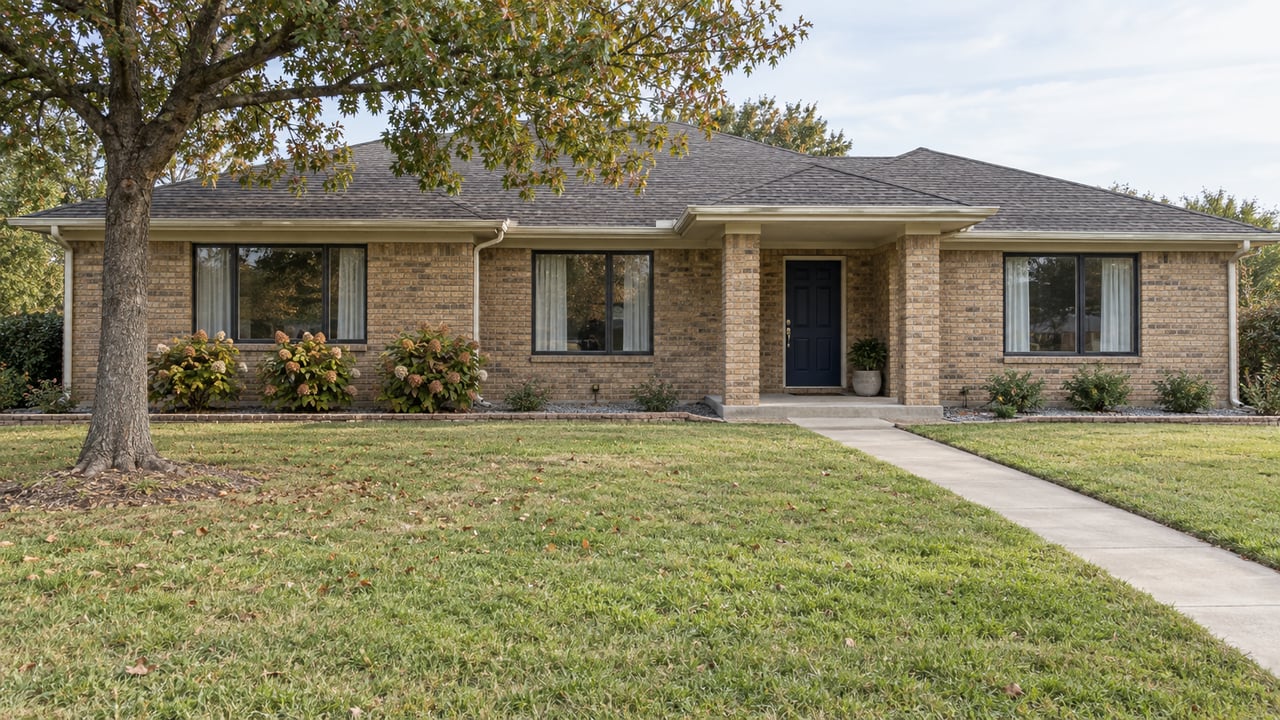
An updated ranch on a 0.4‑acre lot does not compete with a 2‑acre estate in Old Preston Hollow. It competes with other updated homes with similar lots, finish levels, and amenities. When you think in micro‑markets, you price against the buyers who would actually tour your home.

Data you should use

  • Local MLS data through NTREIS for sold prices, list history, and Days on Market.
  • Dallas Central Appraisal District records for lot details, year built, and tax history.
  • Texas REALTORS and National Association of REALTORS research for broader market context.
  • Reputable local reporting for neighborhood updates and development trends.

Build a comp set that fits your home

Start with a tight radius and expand only as needed. Begin with sales on your block or subdivision that share your lot type, home style, and condition. If you cannot find at least three closed comps, expand your time window and geography carefully.

In active segments, use the last 3 to 6 months of sales. In slower or luxury segments, you may need 6 to 12 months. Note whether the market is rising or softening and adjust timing accordingly. Treat all‑cash or non‑arm’s‑length transfers with caution when weighing their impact.

Match and adjust the right attributes

  • Lot size and usable acreage, including slope, trees, and any floodplain.
  • Gross living area and room count, using consistent definitions.
  • Age and renovation level, from turnkey luxury to original condition.
  • Amenities such as pool, outdoor living, guest house, elevator, or theater.
  • Architecture and layout, since a single‑story ranch lives differently from a two‑story estate.
  • Privacy, setbacks, and proximity to major roads or flight paths.

Use paired sales analysis when possible to estimate adjustments. Express key adjustments in dollar terms, especially for lot utility. Document every assumption so buyers’ agents and appraisers can follow your logic.

Avoid common comp mistakes

  • Mixing new infill builds with older ranch homes without proper condition adjustments.
  • Ignoring lot utility differences that change how a yard is used.
  • Leaning on list prices instead of closed data and concessions.
  • Relying on automated online estimates as primary evidence instead of as one data point.

Make condition adjustments that reflect reality

Put your home in a clear condition category so the pricing aligns with buyer expectations:

  • Fully updated or new construction quality
  • Updated in the last 8 to 12 years with good finishes
  • Functional but dated
  • Major systems or structural needs, or teardown candidate

What moves the needle in pricing

  • Kitchens and bathrooms: High‑end remodels widen the buyer pool at this price point.
  • Systems and structure: Roof, HVAC, plumbing, and electrical can affect financing and inspections.
  • Outdoor living: Pools, covered patios, and well‑designed yard spaces are key in Preston Hollow.
  • Lot improvements: Usable flat lawn, mature trees, and thoughtful privacy features add appeal.
  • Layout and flow: Ranch homes that live open and connected attract more attention.

Special notes for ranch homes on large lots

Ask whether the highest and best use is a refreshed ranch or redevelopment. If nearby ranches have been replaced with larger new builds, buyers may value the lot more than the structure. Partial cosmetic updates may not deliver full value if major systems or layout changes are still needed.

Appraisal and financing checkpoints

Luxury sales can face appraisal challenges when similar comps are scarce. Lenders may require appraisers with experience in high‑value properties. Help the process by preparing a clear comp packet with your adjustments and any contractor invoices for recent work.

Presentation that supports your price

Your price must match your presentation. At higher price points, buyers expect polished visuals and accurate details. Strong photos, staging, and property storytelling align perceived value with your number.

A simple 3–6 month timeline

  • 12–16 weeks: Order a pre‑listing inspection. Get contractor bids for key repairs and updates. Obtain quotes for staging and high‑end media.
  • 8–10 weeks: Complete structural and systems work first. Address major kitchen or bath items that impact value.
  • 4–6 weeks: Finish cosmetic improvements, landscape, declutter, and deep clean. Confirm professional photography.
  • 1–2 weeks: Finalize floor plans, virtual tour, and drone imagery if permitted. Set your list date and preview strategy.

Staging and media that match the price

Professional staging and high‑quality photography can elevate buyer perception. Provide floor plans and accurate room dimensions because buyers expect them in this segment. Use aerials to show lot size and privacy when appropriate, and never misrepresent features with virtual tools.

Off‑market previews and targeted outreach

A soft launch to local buyer brokers can test your pricing before full exposure. Private, appointment‑only previews for well‑qualified buyers can also produce early, strong offers while protecting privacy.

Choose your pricing strategy

Select the approach that fits your goals and the current inventory picture:

  • Market‑value list: Based on tight comps and clear adjustments; reduces risk of later price cuts.
  • Price‑band targeting: Position slightly below a psychological threshold to broaden search results when inventory is tight.
  • Early negotiation pricing: Below‑market pricing to spark multiple offers can be risky in luxury segments.
  • As‑is pricing: Reflect the buyer’s cost to update or rebuild when you prefer not to invest pre‑list.

How pricing shapes buyer behavior

Correct pricing brings qualified traffic. Overpricing cuts showings and invites discount seekers. Pricing too low can create suspicion among luxury buyers. Days on Market also matters, since longer timelines often lead to bigger discounts.

Be negotiation and appraisal ready

Create a comp packet that explains your micro‑market, your adjustment logic, and recent improvements with invoices. Share it with buyers’ agents and the appraiser. For unique properties, a pre‑listing appraisal can help set expectations and reduce risk.

3–6 month seller checklist

  1. Order a pre‑listing inspection and get bids for structural and systems items first.
  2. Decide highest and best use: sell turnkey or price as a lot/teardown.
  3. Prioritize repairs that affect safety or financing: roof, electrical, HVAC, foundation.
  4. Budget for targeted updates with strong ROI: bath refresh, kitchen surfaces, paint, flooring.
  5. Elevate curb appeal with landscaping and clean, usable outdoor spaces.
  6. Hire a staging consultant and book top‑tier photography and videography; plan drone imagery if permitted.
  7. Assemble your comp packet and timeline with your agent; schedule preview events.
  8. Prepare disclosure documents early and gather title information.
  9. Align timing with local calendars and events to maximize showings.
  10. Require proof of funds or pre‑approval to focus on qualified buyers.

Work with a neighborhood strategist

Pricing in Preston Hollow is about more than price per square foot. It takes micro‑market insight, careful condition analysis, and premium presentation. If you want a calm, expert guide who pairs deep local knowledge with marketing that amplifies your home’s story, connect with Diane Bearden for a personalized market consultation.

FAQs

How close do comps need to be in Preston Hollow?

  • Aim for your block or subdivision with the same lot type and condition; if you must expand the time range or distance, adjust carefully for market direction and differences.

Should I fix everything before I list my Preston Hollow home?

  • Prioritize major defects that affect safety or financing, then choose cosmetic updates with clear ROI; many buyers will prefer to handle personal design choices themselves.

What if buyers see my Preston Hollow ranch as a teardown?

  • Price for land and highest and best use, disclose known issues and lot constraints, and market to both builders and end buyers to maximize exposure.

How do appraisals work with jumbo loans in Preston Hollow?

  • Standards are similar, but lenders often use appraisers experienced with luxury properties; provide a thorough comp packet and documentation for recent improvements.

Does staging matter for mid‑century ranch homes in Preston Hollow?

  • Yes; staging that highlights flow, sightlines, and outdoor connection improves buyer perception and supports your chosen price across both ranch and estate homes.

Work With Diane

Diane loves sharing her knowledge with her first-time home buyers and making their purchase a memorable event. She can advise you and create a portfolio that can give you that added edge to be successful in your real estate transaction.