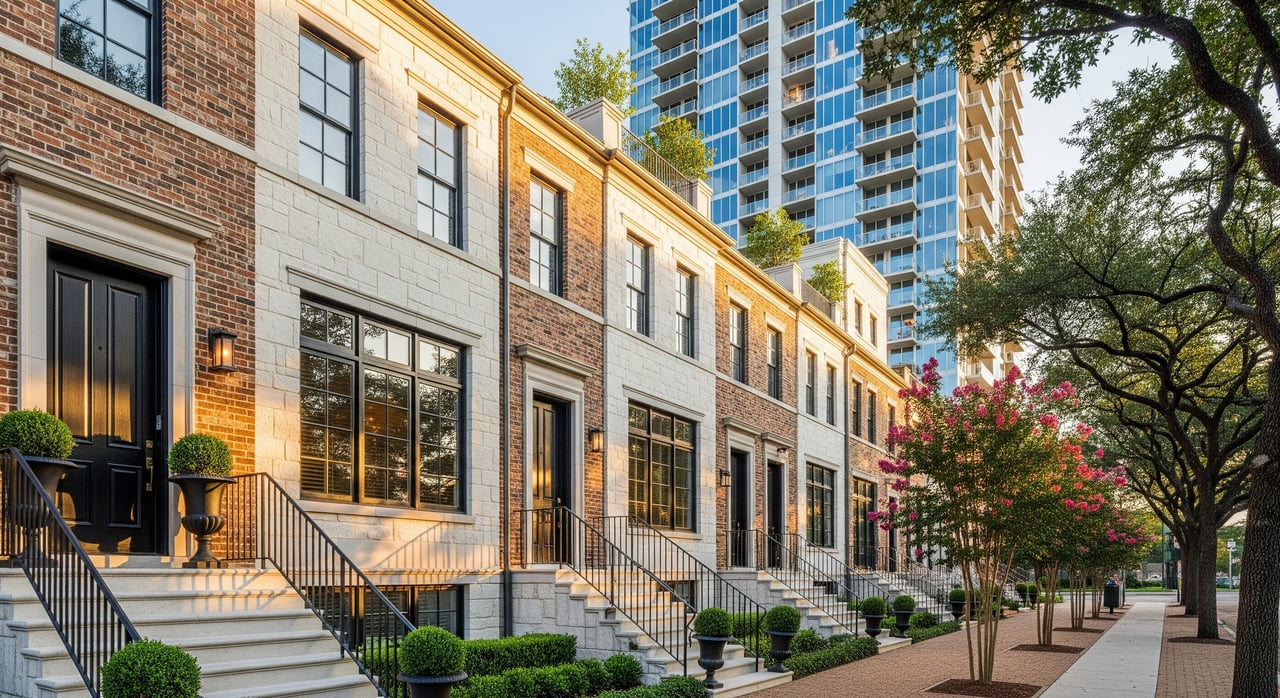
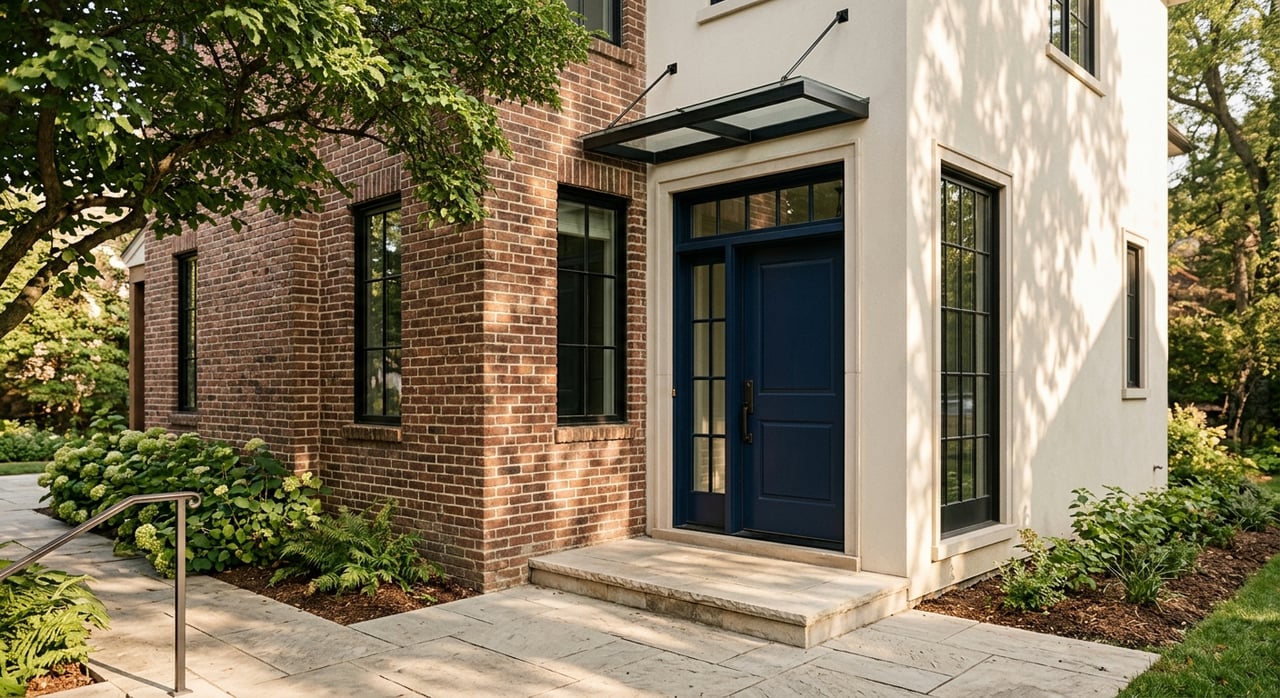
Trying to choose between a condo or a townhome in Uptown Dallas? You’re not alone. With so many buildings and floor plans around West Village, the Katy Trail, and the M-Line trolley, the options can feel overwhelming. In this guide, you’ll get a clear, side-by-side look at how these homes differ in ownership, HOA rules, amenities, parking, pets, financing, and resale potential. You’ll also get a practical checklist to help you decide with confidence. Let’s dive in.
Uptown lifestyle at a glance
Uptown sits just north of Downtown Dallas and is known for walkability, dining, and access to fitness and transit. You can step out to the West Village, hop on the M-Line, or jog the Katy Trail. Most buyers here want a low-maintenance home, quick access to work and entertainment, and the ability to enjoy an active lifestyle without a big yard.
What you get with a condo
Ownership and HOA basics
- In a condo, you own the inside of your unit. The building’s exterior, roof, amenities, and common systems are owned and maintained by the HOA.
- Monthly dues usually cover exterior upkeep, amenity operations, and some utilities or services. Always confirm what is included.
Amenities and lifestyle
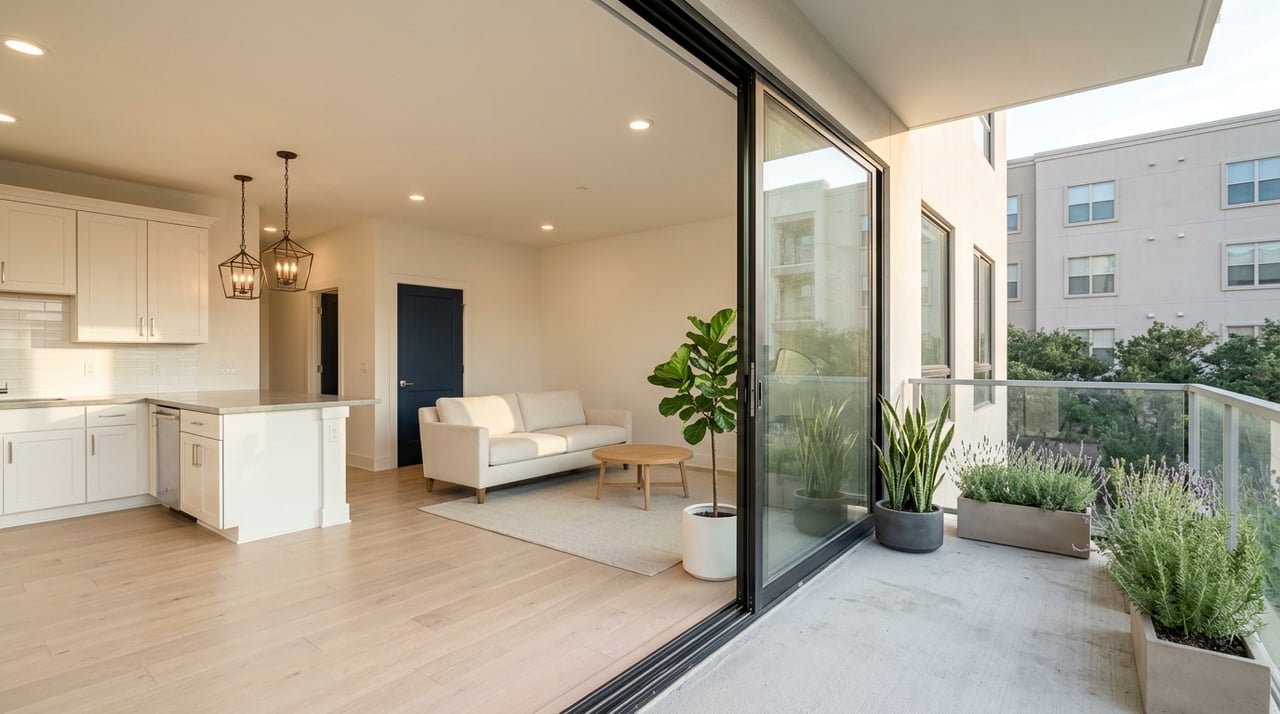
- Many Uptown condos offer fitness centers, pools, clubrooms, secure lobbies, and sometimes concierge or on-site management.
- More amenities often mean higher dues, but they support a lock-and-go lifestyle.
Parking and guests
- Parking is typically in a secure garage with one or more assigned or deeded spaces.
- Guest parking can be limited in popular corridors, so check building policies and nearby street regulations.
Pet policies
- Condo HOAs set pet rules that may include size, breed, and number limits, plus registration and fees.
- Review the pet addendum before you make an offer.
Maintenance and insurance
- You usually handle interior items. The HOA addresses exterior and common areas, paid for through dues and reserves.
- Most condo owners carry an HO‑6 policy for interior finishes, personal property, and liability. Check what the master policy covers and confirm deductibles.
Financing checkpoints
- Many lenders require condo project approval. Factors include owner-occupancy ratios, litigation, delinquency rates, commercial space percentage, and HOA financial health.
- Ask your lender early to review the building’s documentation.
What you get with a townhome
Ownership and HOA basics
- Most townhomes are fee-simple, meaning you own the structure and the land beneath it. Some are in condominium regimes, so verify legal status.
- HOAs vary. Some cover landscaping and common areas only; others may include limited exterior maintenance. Read the CC&Rs to know your responsibilities.
Amenities and lifestyle
- Townhomes typically offer fewer large shared amenities.
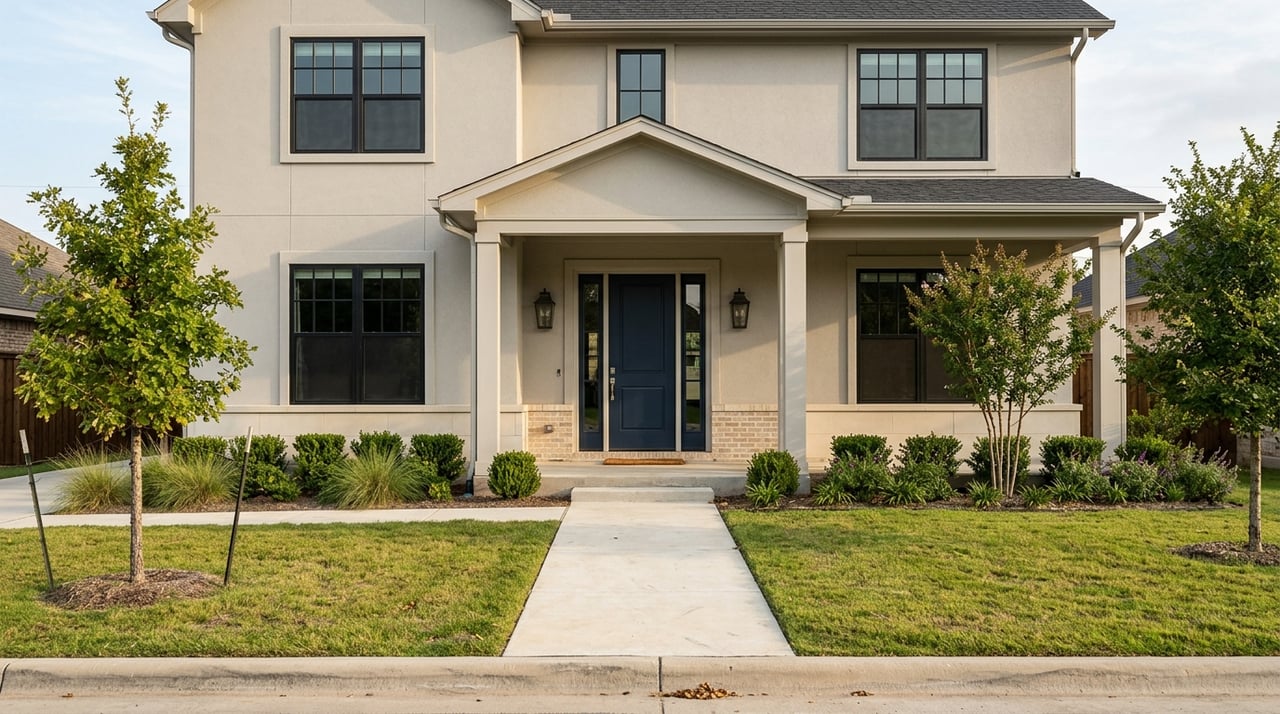
- You gain private entries, more interior space, and often a patio or rooftop, which many buyers prefer.
Parking and guests
- Attached garages are common, with direct home access. Alley-loaded layouts are typical and can add flexibility for extra cars.
- Guest parking depends on the community setup and street rules.
Pet policies
- Townhome HOAs often have fewer pet restrictions than high-rise buildings, but rules still apply. Confirm breed, size, and leash requirements.
Maintenance and insurance
- You may be responsible for the roof, exterior, and systems, depending on the CC&Rs.
- Insurance is usually broader than a condo policy (often HO‑3 or HO‑5), especially if you own the exterior. Confirm the master policy’s scope and deductibles.
Financing checkpoints
- Fee-simple townhomes often qualify as single-family homes, which can simplify conventional, FHA, or VA financing.
- If a townhome is legally a condo, lenders may treat it like a condo for underwriting.
Cost, dues, and reserves: what to verify
Before you write an offer, review the HOA’s financials and rules. Focus on:
- Current HOA dues and what they cover, including utilities, staffing, insurance, and amenities.
- Reserve fund balance and any recent reserve study. Low reserves can lead to special assessments.
- Meeting minutes from the past year to spot deferred maintenance, litigation, or large capital projects.
- History and policies on special assessments.
- Master insurance policy details, including deductibles and owner coverage requirements.
- Rental policies, including short-term rental prohibitions or lease-length minimums.
- Owner-occupancy and rental ratios, which can impact financing and future resale.
Flood and environmental checks near Turtle Creek
Some areas near Turtle Creek have experienced localized flooding. Ask your agent to help you check FEMA flood maps and City of Dallas floodplain resources. Your lender may require flood insurance based on the property’s flood zone. Also review HOA records for any water intrusion history or mitigation projects.
Resale and long-term value in Uptown
- Condos attract buyers who want walkability and amenities. Your unit’s marketability can hinge on building reputation, amenity quality, and HOA health.
- Townhomes appeal to buyers who want private entries and garages. Limited supply can support pricing but may create a narrower buyer pool at certain price points.
- Red flags that can hurt resale include high dues without clear value, weak reserves, pending litigation, and restrictive rental policies that limit demand.
Decision checklist: condo vs. townhome
Use this checklist to match the home type to your needs:
- Lifestyle fit
- Do you want shared amenities and low-maintenance convenience, or private entry and garage parking?
- Parking and guests
- How many cars do you need to park daily? How will guests park?
- Pets
- Will your pets meet the building’s breed, weight, and number rules?
- HOA finances and rules
- What do dues include? Are reserves healthy? Any pending assessments or litigation?
- Maintenance expectations
- Who handles the roof, exterior, and major systems? How responsive is management?
- Financing and resale
- Will a typical lender approve the building or regime? How might rental ratios affect lending and future buyers?
- Insurance and flood risk
- What does the master policy cover? Will you need flood insurance?
- Rental and short-term rules
- Are short-term rentals allowed? What are the lease-length minimums?
- Neighborhood specifics
- Are you within walking distance of the Katy Trail, West Village, and the M-Line? How do street meters or permit zones affect daily life?
- Timeline and exit strategy
- Are you planning to stay long-term, sell in a few years, or rent? Choose the product that supports your plan.
Smart questions to ask the HOA or listing agent
- Can you provide the current budget, dues breakdown, and recent reserve study?
- May I review the CC&Rs, bylaws, and any pet and rental addenda?
- Can I see the master insurance declarations and understand owner coverage requirements and deductibles?
- How are parking spaces assigned or deeded? What are guest parking and street permit policies?
- Are there any pending special assessments or major projects on the horizon?
- Is the building eligible for common loan programs, and what documentation does the lender need?
Which option fits your Uptown life?
If you want a turnkey, amenity-rich lifestyle with minimal exterior upkeep, a condo likely fits your day-to-day. If you prefer a private entry, attached garage, and more control over your space, a townhome may be the better match. The right choice depends on your priorities, the HOA’s strength, and how the numbers line up.
If you’re weighing specific buildings or communities, connect with a local advisor who will walk you through HOA documents, insurance details, flood maps, and lender requirements. For patient, step-by-step guidance in Uptown, reach out to Diane Bearden for a personalized market consultation.
FAQs
What are the main cost differences between Uptown condos and townhomes?
- Condos often have higher dues that include amenities and common-area upkeep, while townhome dues may be lower but owners may pay more directly for exterior maintenance.
How does parking typically work in Uptown condos vs. townhomes?
- Condos usually offer assigned or deeded garage spaces with limited guest parking, while townhomes often provide attached private garages and alley access.
Are pets treated differently in condo buildings and townhome communities?
- Many condos enforce size, breed, and number limits with registration and fees, while townhomes may be less restrictive but still governed by HOA rules.
What should I know about financing a condo in Uptown Dallas?
- Lenders often require condo project approval, reviewing owner-occupancy, litigation, delinquency, and HOA finances; townhomes that are fee-simple may qualify as single-family.
Is flood risk a concern near Turtle Creek in Uptown?
- Some areas have seen localized flooding, so check FEMA and City of Dallas floodplain maps and confirm whether flood insurance is required by your lender.
Are short-term rentals allowed in Uptown condos and townhomes?
- Rules vary by HOA, and many condos restrict short-term rentals or set minimum lease lengths; always verify the CC&Rs and local ordinances before you buy.